


Stepping into your first barre class can feel daunting, especially when you're uncertain about appropriate attire. The intersection of ballet-inspired movements and contemporary fitness demands specific clothing considerations that differ markedly from traditional gym wear. Understanding the nuances of barre class attire ensures you'll move confidently through each plié, relevé, and pulse without wardrobe malfunctions disrupting your flow.
This comprehensive guide demystifies barre class clothing requirements, helping UK beginners navigate studio expectations whilst prioritising comfort, functionality, and performance. Whether you're attending a boutique studio in London or a community centre class in Manchester, these sartorial guidelines will prepare you for success.
Quick Answer (Featured Snippet Target)
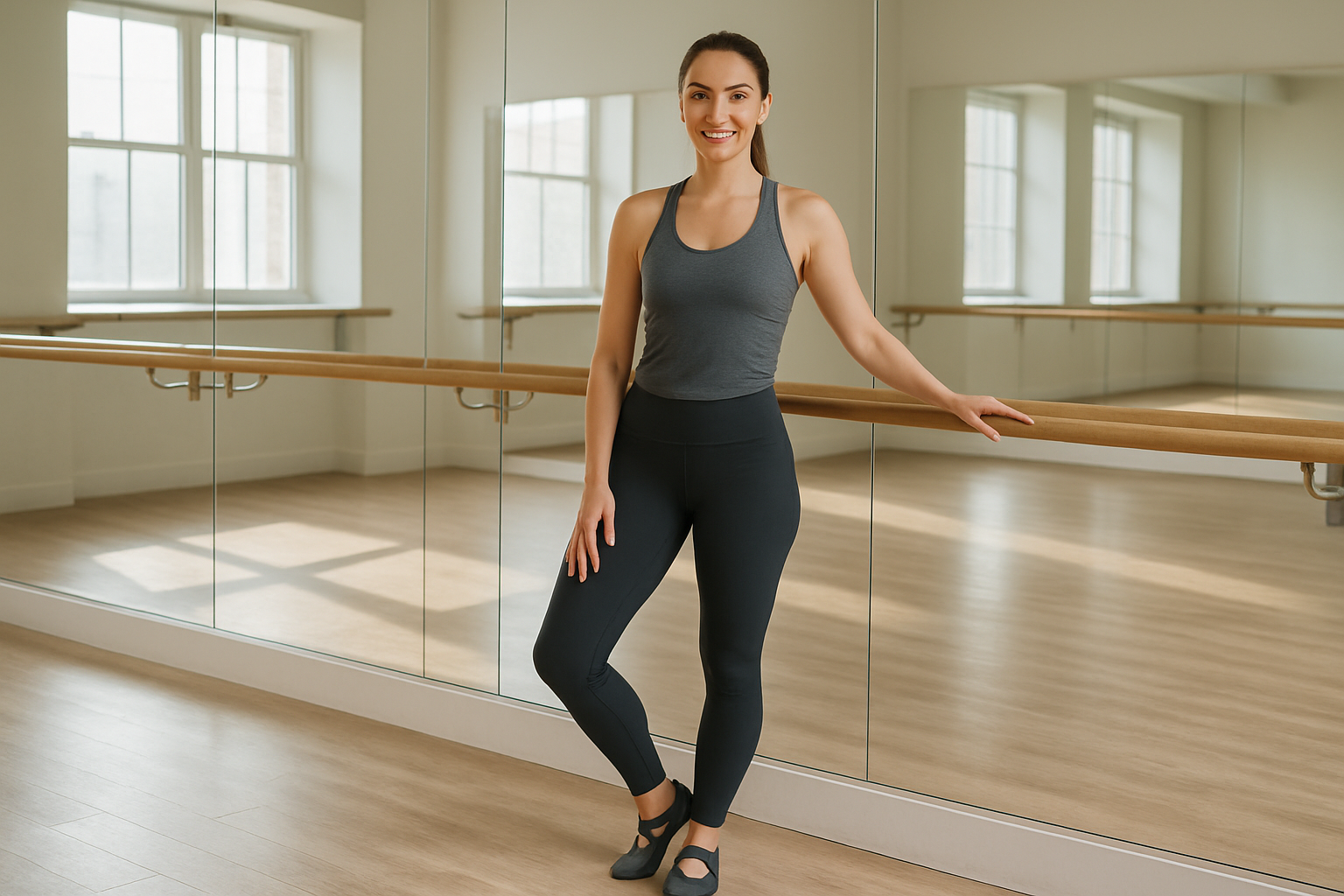
A barre class outfit should be:
- Fitted but comfortable, allowing unrestricted movement
- Flexible for small controlled movements and precise positioning
- Breathable and sweat-wicking to maintain body temperature
- Paired with grip socks (no trainers required)
The quintessential barre ensemble combines form-fitting activewear with specialised footwear, creating an optimal balance between mobility and stability during your workout session.
What Is a Barre Class? (Context for Beginners)
Barre represents a distinctive fusion of ballet technique, Pilates principles, and yoga-inspired stretching. This low-impact exercise modality emphasises isometric contractions and small-range movements that target specific muscle groups with remarkable precision.
The foundational elements include:
- Ballet-inspired fitness incorporating classical positions and terminology
- Small movements with high repetitions creating muscular fatigue
- Concentrated focus on posture, core stability, legs, and glutes
Unlike high-intensity cardio sessions, barre classes prioritise controlled movements performed at the ballet barre, on mats, or using light equipment like resistance bands and small weights. The methodology targets deep stabilising muscles often neglected in conventional workouts, demanding clothing that accommodates subtle yet challenging positioning adjustments.
Why What You Wear to Barre Class Matters
Mobility & Alignment
Precise anatomical alignment forms the cornerstone of effective barre practice. Restrictive clothing impedes your ability to achieve proper positioning, particularly during complex sequences requiring extensive hip flexion or spinal articulation. Form-fitting garments enable instructors to assess your postural mechanics whilst allowing unrestricted joint mobility throughout challenging holds and transitions.
Instructor Visibility
Qualified barre instructors rely on visual assessment to provide targeted corrections and modifications. Baggy clothing obscures body positioning, preventing instructors from identifying compensatory movement patterns or alignment deviations that could compromise exercise effectiveness or safety. Fitted attire facilitates clear visibility of muscle engagement and joint positioning.
Grip & Studio Safety
Barre studios feature smooth flooring surfaces optimised for controlled movement rather than traction. Appropriate footwear prevents slipping during lateral movements, single-leg balancing sequences, and mat-based exercises. Specialised grip socks provide essential stability whilst maintaining the barefoot sensation preferred in barre methodology.

What to Wear to Your First Barre Class
Tops
Your upper body garments should prioritise freedom of movement whilst maintaining modesty during inverted positions and forward folds. Consider these optimal choices:
- Sports bras offering light to medium support for low-impact movements
- Fitted tank tops that won't ride up during overhead reaches
- Avoid oversized tees that obscure form and create distractions
Breathable fabrics with moisture-wicking properties prove invaluable during extended hold sequences. The isometric nature of barre exercises generates surprising heat despite minimal cardiovascular exertion, making technical textiles essential for comfort maintenance.
Bottoms
Lower body attire requires particular attention due to the extensive range of motion demanded by barre choreography. Strategic selection ensures both comfort and confidence:
- Leggings with high-waisted construction prevent gapping during deep squats
- Avoid loose joggers that bunch awkwardly during leg extensions
Premium activewear featuring four-way stretch technology accommodates the demanding positions whilst maintaining shape integrity throughout your session. Seamless construction minimises chafing during repetitive movements, particularly around the waistband and inner thigh regions.
Socks
Footwear represents the most crucial yet misunderstood aspect of barre attire among newcomers. Proper sock selection directly impacts performance and safety:
- Grip socks featuring rubberised treads constitute studio standard footwear
- Barefoot practice is discouraged due to hygiene considerations and reduced traction
"The right grip socks transform your barre experience, providing confidence during challenging balance sequences whilst maintaining studio hygiene standards."
Quality grip socks feature strategically placed traction zones corresponding to primary contact points during barre movements, ensuring stability without compromising the barefoot sensation essential to proper technique execution.
What Not to Wear to a Barre Class
Understanding sartorial pitfalls prevents embarrassing wardrobe malfunctions and ensures optimal workout performance. Certain garments actively hinder barre practice, creating unnecessary obstacles to your fitness journey.
- Trainers create excessive grip on studio floors, impeding smooth transitions and increasing injury risk
- Baggy layers obscure instructor visibility and bunch uncomfortably during extended holds
- Slippery socks or regular hosiery eliminate essential traction needed for safety
- Heavy jewellery creates distractions and potential safety hazards during floor work
Cotton-heavy fabrics absorb perspiration without releasing moisture, creating clammy discomfort during intensive sequences. Similarly, garments lacking elastane or spandex content restrict movement amplitude, preventing proper exercise execution and potentially causing muscle strain.
Barre Class Outfit Tips for Beginners
Mastering the nuances of barre attire requires understanding subtle details that distinguish novice from experienced practitioners. These refinements enhance both comfort and confidence during your initial classes.
| Consideration | Recommendation | Rationale |
|---|---|---|
| Layering strategy | Light cardigan for warm-up | Studio temperatures vary; removable layers accommodate changes |
| Hair management | Secure ponytail or bun | Prevents distractions during inverted positions |
| Bra support level | Light to medium support | Low-impact nature doesn't require high-impact construction |
Temperature regulation proves particularly challenging for beginners unfamiliar with barre's unique thermal demands. Isometric holds generate internal heat whilst minimal cardiovascular activity maintains lower core temperatures, creating conflicting comfort requirements throughout your session.
Accessories should remain minimal yet functional. Hair elastics, small towels, and water bottles constitute acceptable additions, whilst statement jewellery or excessive ornamentation detracts from the refined studio aesthetic most UK establishments maintain.
UK Studio Etiquette & Practical Tips
British barre studios maintain distinctive cultural expectations that blend continental European refinement with practical British sensibilities. Understanding these unspoken protocols ensures seamless integration into the studio community.
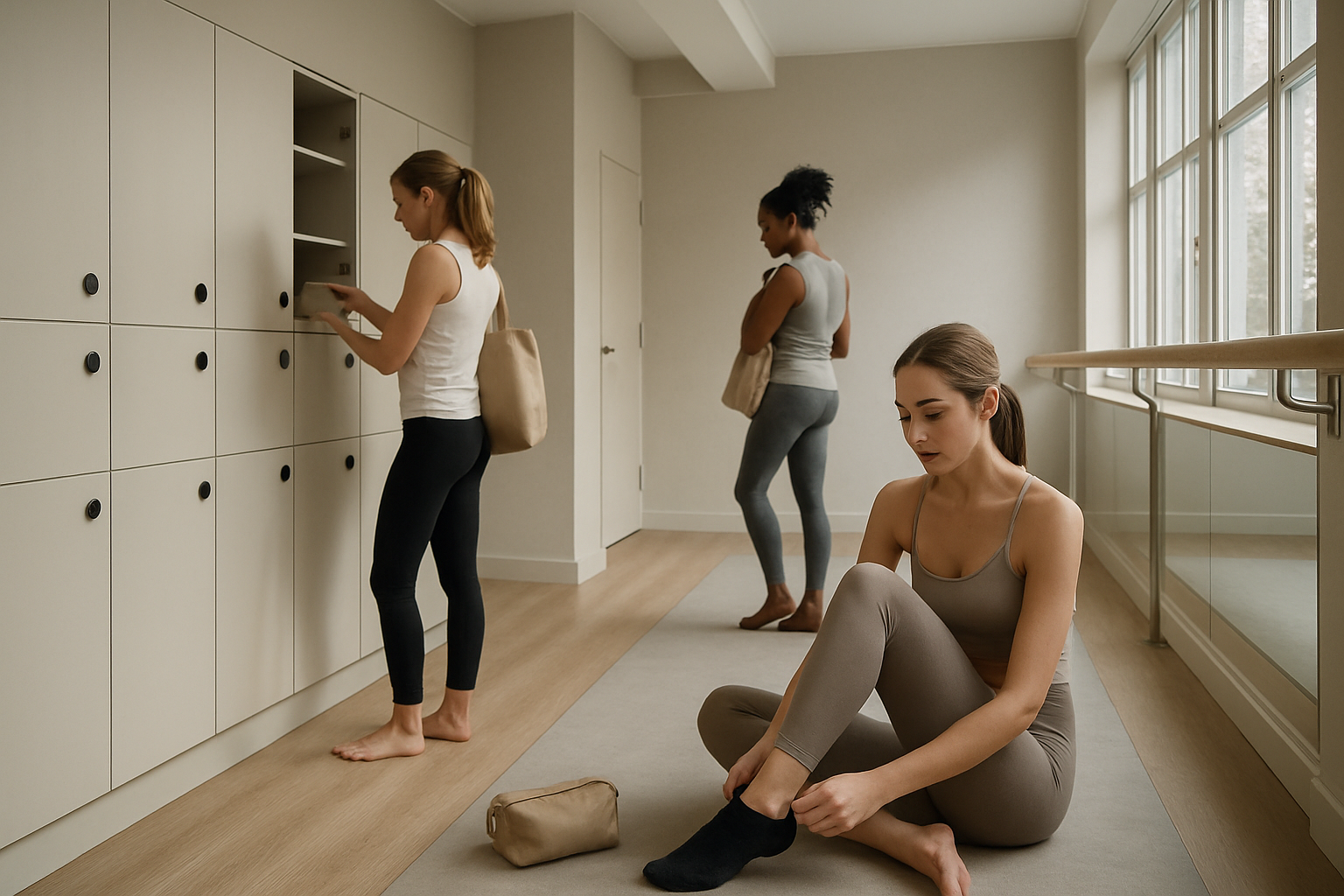
- Changing rooms typically provide secure storage for personal belongings and street clothes
- Bringing your own grip socks demonstrates preparedness, though most studios sell them
- Studio temperature expectations hover around 18-22°C, cooler than heated yoga environments
Many UK studios operate appointment-based systems requiring advance booking, particularly in metropolitan areas where demand exceeds capacity. Arriving ten minutes early allows adequate preparation time without disrupting ongoing sessions. Most establishments provide equipment like resistance bands and light weights, eliminating the need for personal apparatus during initial visits.
Payment structures vary considerably across different studio types, from drop-in rates averaging £15-25 per session to monthly unlimited packages offering better value for regular practitioners. Many venues offer newcomer packages at reduced rates, encouraging exploration without significant financial commitment.
FAQs (People Also Ask)
Common queries from barre newcomers reveal consistent concerns about appropriate attire and studio expectations. These frequently asked questions address the most prevalent uncertainties:
- Do you wear shoes to barre class? No, grip socks replace traditional athletic footwear, providing necessary traction whilst maintaining the barefoot sensation essential to proper technique.
- Can beginners wear leggings? Absolutely, leggings represent the preferred bottom choice for practitioners at all levels due to their flexibility and coverage.
- Is barre closer to yoga or pilates? Barre incorporates elements from both disciplines but emphasises ballet-inspired positioning with Pilates-based core engagement principles.
- Do I need special barre clothes? While specialised barre attire exists, quality activewear meeting the fitted, flexible, and breathable criteria suffices for most practitioners.
These concerns reflect natural apprehension about entering unfamiliar fitness environments. Most instructors anticipate beginner questions and willingly provide guidance regarding appropriate attire and studio protocols.
Conclusion
Embarking on your barre journey requires minimal sartorial investment yet yields substantial confidence dividends. The fundamental principles—fitted comfort, breathable fabrics, and appropriate grip socks—create the foundation for successful practice regardless of your fitness background or experience level.
Remember that every accomplished barre practitioner once stood where you stand now, uncertain about studio expectations and appropriate attire. Your clothing choices, whilst important for safety and performance, pale in comparison to your willingness to embrace new challenges and prioritise personal wellness.
UK barre studios welcome newcomers with characteristic British warmth, understanding that proper guidance transforms nervous beginners into confident practitioners. Focus on selecting garments that make you feel comfortable and supported rather than pursuing perfection in your initial classes.
The investment in quality activewear—whether sourced from specialist retailers or accessible fashion-forward brands—pays dividends through enhanced comfort, improved performance, and increased confidence throughout your barre practice evolution. Your body will thank you for choosing appropriate attire that supports rather than hinders your movement journey.
Step into that studio with assurance, knowing your thoughtful preparation reflects respect for both the discipline and your fellow practitioners. Your barre adventure begins with that first confident step through the studio door.


